
Before you buy the pale sofa, soft rug, or narrow hallway console, picture the same room at 7 p.m.: shoes by the door, a drink near the armrest, pet hair on the throw, and a school bag scraping past the wall. The best home decor ideas still look considered after ordinary pressure.
Durable decorating does not mean giving up warmth, colour, or personality. It means choosing hard-working pieces for cleaning, storage, movement, and repair first, then using softer room decorations for mood, pattern, and seasonal change.
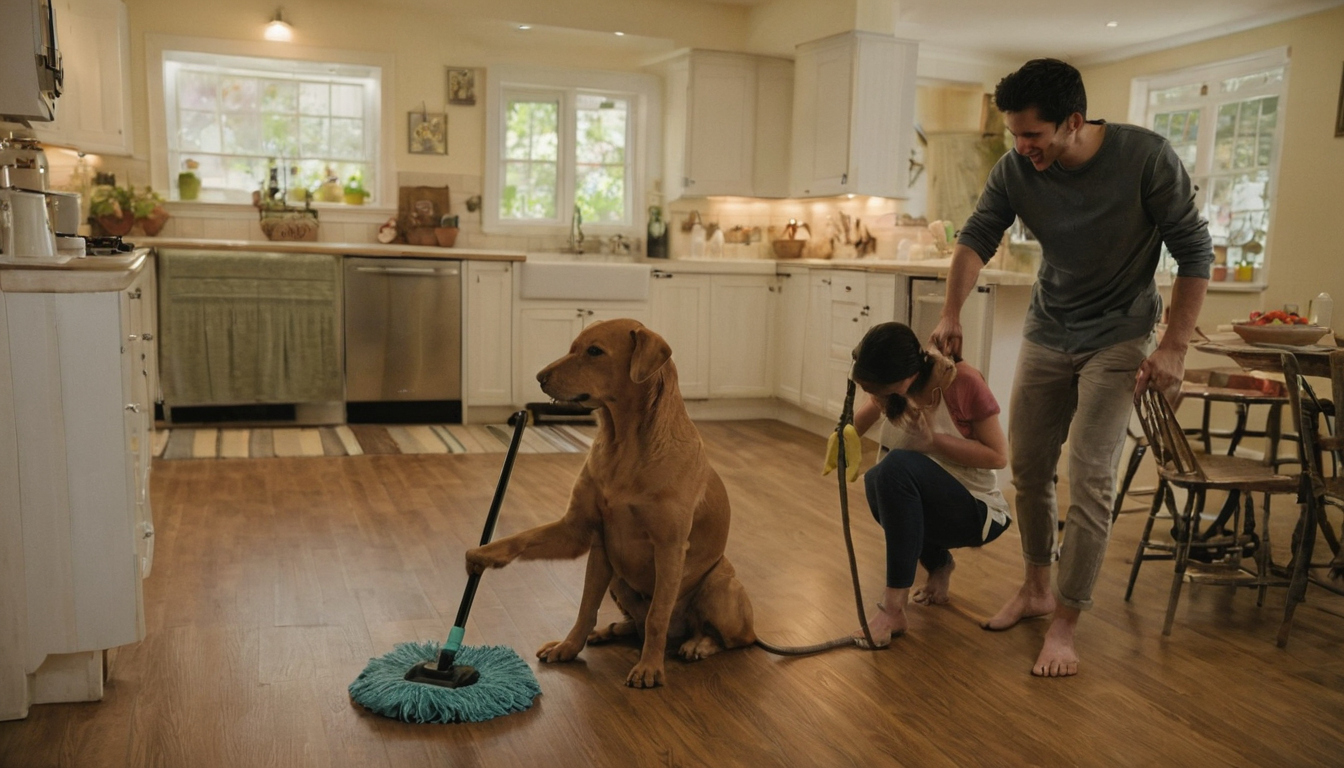
Home Decor Ideas That Hold Up to Family Life, Cleaning, Pets, and Everyday Wear shown as an editorial planning reference.
Which home decor ideas survive family life best?
The home decor ideas that survive family life best combine washable surfaces, replaceable covers, forgiving patterns, closed storage, and clear traffic routes. Start with high-wear zones: the entryway, sofa area, dining area, stairs, kitchen seating, children’s bedrooms, and pet resting spots.
Durable home decor starts with traffic, stains, and storage needs
Family home decor fails fastest where daily contact is unavoidable. A hallway runner meets wet paws, lunch boxes, sports kits, and visitors. A sofa arm becomes a perch, snack ledge, pet pillow, and laundry drop.
Budget should follow contact. Scrutinise the sofa frame, washable rug, dining table, hallway storage, kitchen stools, closed cabinets, and bedsides. Spend less on cushion covers, throws, lampshades, art prints, small baskets, and seasonal room decorations.
Material choice also affects air and cleaning routines. The U.S. Environmental Protection Agency lists paints, paint strippers, cleaning supplies, pesticides, building materials, furnishings, and office equipment as examples of products that can release VOCs, and advises increasing ventilation when using products that emit them.
- Traffic: Will this sit in a daily route?
- Stain risk: Will food, mud, drinks, craft materials, or pet hair touch it?
- Storage: Does the room need closed storage before another decorative object?
- Cleaning time: Can the household clean it during a normal week?
- Replacement cost: Would replacing it feel manageable or expensive?
The most practical house decor ideas are layered, washable, and replaceable
Practical house decor ideas work in layers. The foundation should be sturdy and cleanable: a sofa frame, low-pile rug, wipeable dining table, closed cabinet, washable wall finish, and seating that handles repeated use. The expressive layer can change more often: cushion covers, trays, baskets, framed prints, lampshades, greenery, and small decorative objects.
Clear movement protects the room. The U.S. Access Board states that ADA Standards require a minimum clear width of 32 inches at doorways on accessible routes. A family home does not have to copy commercial accessibility rules, but the figure is a useful reminder: a console, basket, or plant fails if it blocks children, guests, laundry, pets, or a vacuum cleaner.
Polished inspiration, including luxury interior design ideas, can guide proportion, lighting, colour, and mood. The family-life filter adds one question: can this attractive choice survive cleaning, storage pressure, and ordinary touch?
What fabrics and upholstery are best for family home decor?
Family upholstery should be chosen by abrasion rating, cleanability, weave, colour variation, and cover construction, not showroom softness alone.
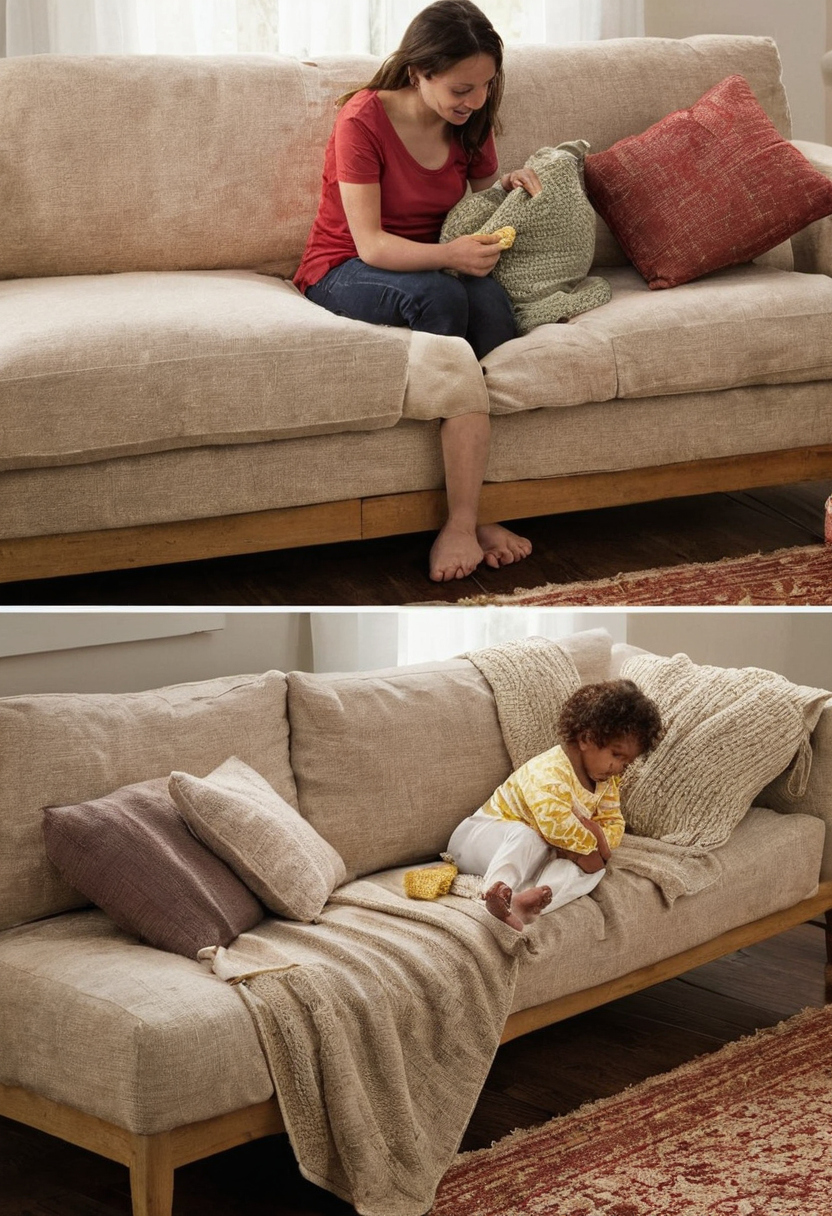
What fabrics and upholstery are best for family home decor shown as an editorial planning reference.
Abrasion ratings help compare upholstery before buying
Abrasion ratings are a practical first filter because they describe how fabric performs under repeated rubbing. Martindale testing is formalised in ASTM D4966, the standard test method using the Martindale abrasion tester. Wyzenbeek-style testing is covered by ASTM D4157, which uses the oscillatory cylinder method and is often expressed as double rubs.
| Upholstery choice | Best family use | Practical caution |
|---|---|---|
| Performance polyester, acrylic, or nylon blends | Daily sofas, playroom chairs, dining benches | Check care code, seams, pilling resistance, and colourfastness. |
| Cotton or linen blends | Slipcovered sofas, occasional chairs, washable cushion covers | Natural fibres can crease, fade, shrink, or stain faster unless blended or pre-washed. |
| Leather or quality faux leather | Pet hair, crumbs, and wipe-clean family rooms | Claws can scratch leather, and poor faux leather can crack. |
| Velvet, chenille, and boucle | Bedrooms, grown-up corners, lower-snag homes | Velvet shows lint, chenille can catch, and loose boucle can suffer with cats or rough play. |
| Outdoor-rated fabrics used indoors | Breakfast nooks, mudroom benches, sunny rooms | Some finishes feel stiff, so test comfort first. |
Domestic abrasion ranges should be read as buying filters, not promises. Main sofas, ottomans, and dining seats benefit from heavy domestic or light contract-style performance. The Association for Contract Textiles warns that abrasion resistance is only one fabric-performance factor and should not be treated as a prediction of total product life.
Washable slipcovers and removable cushion covers reduce replacement cost
Cover construction often saves more money than a tougher-looking fabric. A removable sofa cover, zip-off dining chair seat, or washable bench cushion lets the household clean the part that gets jam, muddy paws, sunscreen, and pet hair instead of replacing the whole piece.
Care codes should guide the purchase before the first spill. Water-safe codes usually allow water-based cleaning, solvent-only codes need dry-cleaning style treatment, mixed codes allow both according to the label, and X codes usually mean vacuuming or professional cleaning only.
Mid-tone, textured, and patterned fabrics hide ordinary mess better than flat pale fabrics
Colour variation is a quiet durability tool. Heathered grey, oatmeal, tan, denim blue, olive, charcoal, tweed effects, herringbone, and small-scale patterns disguise crumbs, lint, pet hair, and light soil better than flat white linen or pale beige.
High-maintenance fabrics still have a place, but placement should match the household. Plain white linen suits a removable bedroom cover better than a snack sofa. Deep black velvet can show pale pet hair and dust. Delicate silk belongs away from children’s rooms, dining chairs, and sunny windows.
Which rugs, floors, and wall finishes make home decor easier to clean?
Rugs, floors, and wall finishes make home decor easier to clean when they match shoes, paws, food, furniture movement, and repeated wiping. In hallways, kitchens, dining spaces, and play areas, choose low-pile rugs, durable flooring, washable paint, and finishes that tolerate routine cleaning.
Low-pile and washable rugs are usually safer choices for pets, dining, and play
Low-pile rugs, flatweaves, indoor-outdoor rugs, and machine-washable rugs usually suit busy rooms better than deep pile, shag, jute, sisal, or viscose. Shorter fibres release crumbs and pet hair faster, dining chairs move more easily, and a thin rug is less likely to catch at a doorway.
- Pet resting spots: choose low-pile polypropylene, nylon, polyester, or washable cotton blends.
- Dining areas: avoid high pile and pale viscose because food, chair legs, and moisture can damage them quickly.
- Entryways: use indoor-outdoor or flatweave rugs with a non-slip rug pad, and check door clearance.
- Children’s rooms: machine-washable rugs work only if the size, backing, and care label fit your washing setup.
Washable wall finishes protect high-touch areas without making the home feel clinical
Wall paint should match contact level, not only the colour card. Durable matte and washable emulsions can keep living rooms soft-looking, while eggshell, satin, or semi-gloss finishes cope better with splashes, fingerprints, and repeated wiping in hallways, kitchens, stairwells, and children’s bedrooms.
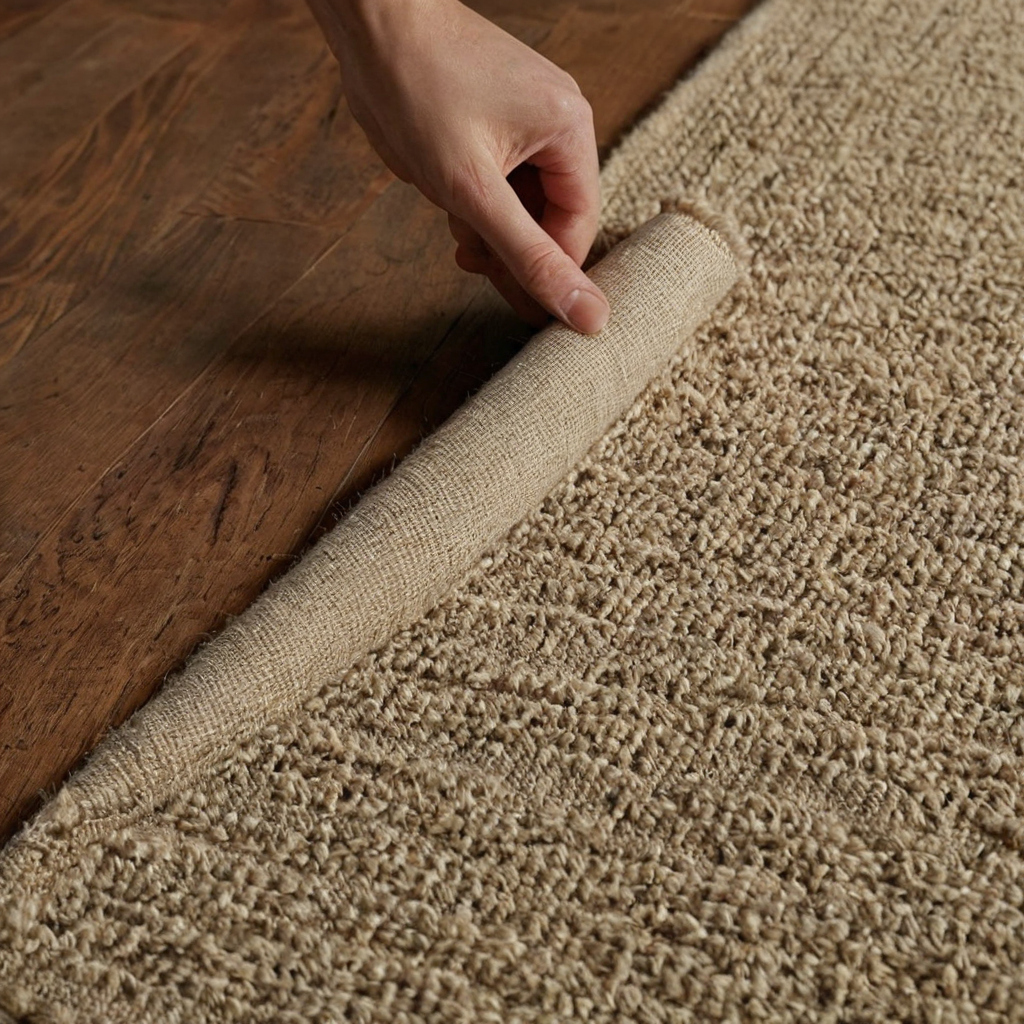
Which rugs, floors, and wall finishes make home decor easier to clean shown as an editorial planning reference.
Flooring needs the same test. Hardwood and engineered wood feel warm but need prompt spill control and protective pads. Laminate and luxury vinyl tile are practical when seams and care instructions suit wet cleaning. Tile and sealed concrete handle heavy wear, though hard surfaces may need rugs for comfort and sound control.
How should furniture layout support cleaning, pets, and everyday movement?
Furniture layout should protect clear routes before adding extra room decorations. A durable scheme lets people, pets, vacuums, prams, school bags, and laundry baskets move without scraping furniture or pushing clutter onto every surface.
Family layouts need clear walkways before extra room decorations
Start with the route from the door to the sofa, dining table, kitchen, stairs, and garden access. Main walkways usually feel comfortable at about 30 to 36 inches wide, while tighter gaps beside occasional furniture should still allow a vacuum head, mop, or laundry basket to pass.
Living room furniture should leave space for knees, feet, and cleaning tools. A coffee table set roughly 16 to 18 inches from the sofa is easier to use than one pushed into the walking line. Dining chairs need room to pull back, so sideboards, plant stands, and toy baskets should not sit directly behind everyday seats.
Decorative obstacles create irritation. Trailing plants near doorways, oversized coffee tables, loose floor baskets, unstable accent stools, and lamp cables across corners make cleaning slower. If a decoration must move before every vacuum, it belongs in a quieter corner or on a wall shelf.
Storage furniture should hide clutter and survive repeated handling
Storage furniture works best when it matches the mess pattern. Entryways need hooks, boot trays, and a lidded bench for shoes. Living rooms need closed sideboards, washable bins, and low cubbies for toys. Children’s rooms need baskets at reachable height, not styling baskets only adults can tidy.
Durable storage should tolerate repeated grabbing, dragging, and wiping. Painted solid wood, metal-framed units, sealed rattan, and sturdy plastic-lined baskets cope better than thin veneer edges, floppy fabric cubes, or open shelves that collect dust.
Pet-friendly room planning reduces hair, odour, and scratching pressure
Pet-friendly decor looks intentional when the pet routine has a proper zone. Feeding bowls need a washable mat away from chair legs, leads need a basket near the door, and dogs or cats need a washable bed where they already rest.
Pet routes need tougher finishes than display corners. A scratch-prone path from door to sofa may need a washable runner, a covered throw, or furniture with exposed wooden legs rather than soft upholstered bases. Muddy paws need an entry point with a mat, towel hook, and wipeable floor.
Which room decorations are worth replacing, repairing, or avoiding?
Room decorations should be sorted into long-life foundations, washable layers, repairable accents, and low-cost seasonal items. A family home can still have colour and personality, but the budget should not depend on fragile accessories surviving pets, play, food, sunlight, and daily cleaning.
Invest in hard-working foundations and rotate lower-cost decorative layers
Foundation pieces deserve the most scrutiny because replacement disrupts the whole room. A sofa, dining table, bed, storage cabinet, durable rug, and main lighting should be chosen for stable frames, cleanable finishes, standard fittings, and shapes that still work if the decorative layer changes.
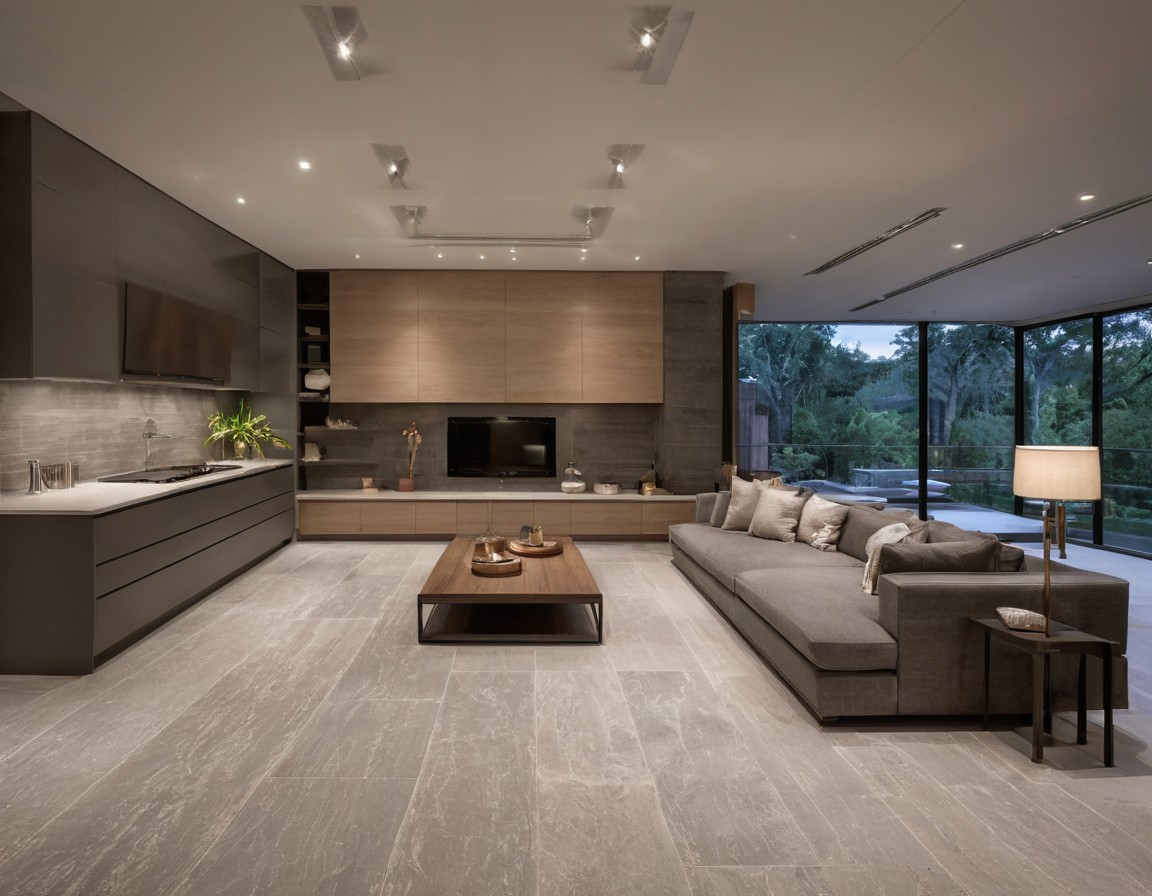
Which room decorations are worth replacing, repairing, or avoiding shown with floor, wall, and fixture relationships visible.
Flexible layers can carry mood without expensive replacements. Cushion covers, throw blankets, framed prints, vases, trays, washable table textiles, lampshades, and seasonal ornaments are better places for trend colours or delicate patterns.
Avoid fragile decor in high-traffic family zones unless it is easy to move or clean
High-traffic zones punish photo-first styling. Delicate glass on coffee tables, white untreated lampshades beside sticky hands, open reed diffusers near children, loose ceramics beside wagging tails, and trailing cords around play areas create cleaning, breakage, or safety pressure.
Safer room decorations do the same visual job with less risk. Use washable trays, weighted lamps, wall-mounted art, wipeable placemats, lidded baskets, and sturdy bowls that can be lifted quickly before homework, snacks, or vacuuming. For houseplants and seasonal greenery in homes with pets, the ASPCA toxic and non-toxic plants list classifies plants for cats, dogs, and horses.
If a decoration cannot be cleaned, repaired, moved, or replaced without regret, keep it away from the family traffic path.
What is a practical cleaning and maintenance plan for durable home decor?
A practical maintenance plan makes cleaning simple enough to repeat weekly, monthly, and seasonally. Durable home decor lasts longer when covers, rugs, walls, wood, baskets, and accessories have a clear cleaning method before purchase.
Buy decor only if the cleaning method fits your real routine
Care labels should act as a buying filter. Before buying a cushion cover, rug, lampshade, basket, or upholstered chair, check whether the item is wipe-clean, machine-washable, spot-clean-only, dry-clean-only, or professional-clean-only.
- Weekly: vacuum upholstery, shake or vacuum rugs, wipe dining chairs, clean pet resting spots, dust lampshades, and remove hair from throws and cushions.
- Monthly: wash removable covers where allowed, spot-clean marked walls, empty baskets, clean under rugs, and dust decorative objects.
- Seasonally: rotate cushions, inspect rug edges, launder slipcovers, touch up washable paint, oil or polish suitable wood, and edit dust-catching accessories.
Stain treatment should stay cautious. Test hidden areas first, avoid soaking upholstery, follow product labels, and do not scrub delicate weaves, jute, sisal, viscose, unsealed wood, or paper lampshades as if they were hard flooring.
The 70/30 decorating rule can balance durable basics with expressive accents
The 70/30 decorating rule works best as a practical guideline: make about 70 percent of a room durable, neutral, washable, or wipeable, then let 30 percent carry colour, pattern, seasonal room decorations, and easier-to-replace texture.
If a beautiful object cannot be cleaned, moved, repaired, stored, or replaced without stress, it belongs in the 30 percent accent layer, not the hardworking foundation of the room.
FAQ
What is the 3-5-7 rule of decorating, and does it work in a family home?
The 3-5-7 rule is a styling guideline that uses odd-numbered groupings for shelves, tables, and accessories. It can work in a family home if the objects are stable, washable, and placed away from routes used by children, pets, food, and cleaning tools.
How do people keep a clean house with pets without giving up attractive home decor?
Pet-friendly homes stay cleaner when pets have washable beds, low-pile rugs, wipeable feeding zones, covered throws, and one basket for toys or leads. The room still looks decorated, but hair, odour, and mud gather where the household can clean them quickly.
What is the 70/30 rule in decorating for durable everyday rooms?
The 70/30 rule means keeping about 70 percent of the room durable, washable, neutral, or wipeable, while using about 30 percent for colour, pattern, texture, and seasonal change. The rule helps families avoid putting fragile items into high-wear roles.
What home decor should be avoided with children, dogs, or cats?
Avoid fragile glass in play zones, unstable floor lamps, trailing cords, pale delicate rugs at entry points, loose boucle around scratching cats, untreated white textiles near food, and houseplants that have not been checked for pet suitability.
Are washable rugs and slipcovers worth it for busy family homes?
Washable rugs and slipcovers are worth it when the size, fabric, backing, and care label match the household’s real cleaning setup. They reduce replacement pressure because the dirtiest layer can be cleaned without replacing the whole sofa, chair, or floor covering.